>Masterpieces of Postmodern Art
Title of the Exhibition:
Postmodern Art:
Future as Better Past
Date of Creation:
2016-2023
Genre:
Abstract Art, Portrait, Still Life, Animalism
Period Movement:
Postmodernism, Contemporary Art, Abstract Expressionism, Geometric Abstraction
Technique:
Sculpture, Painting
Materials:
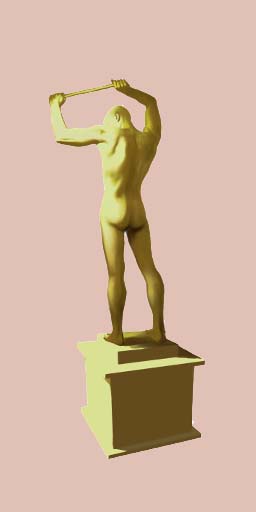
Original Digital Collage Artworks, Original Drawings on Paper, Paintings, Sculptures
Dimensions:
Variable
Exhibition Description:
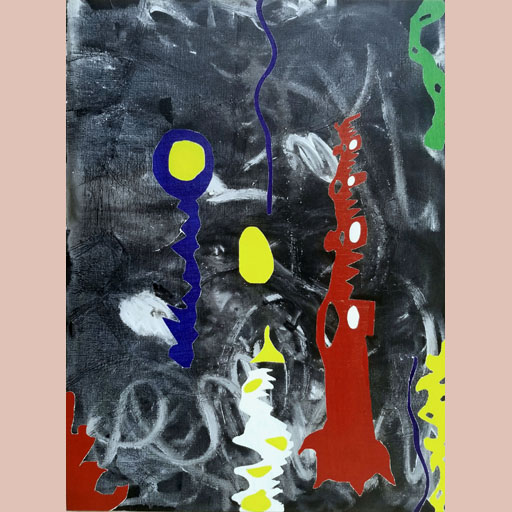
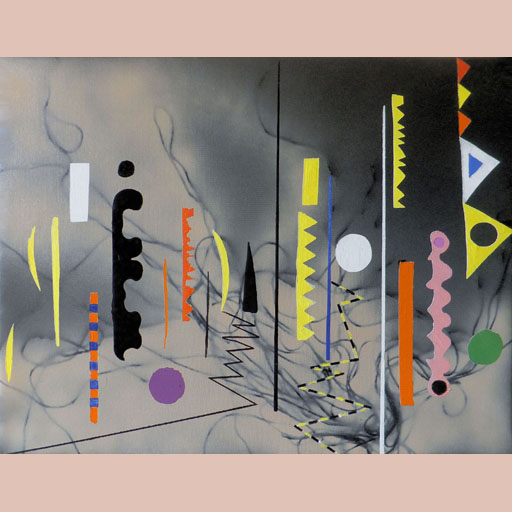
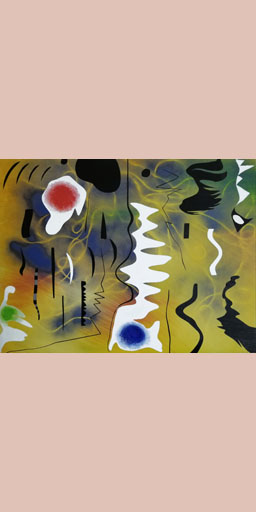
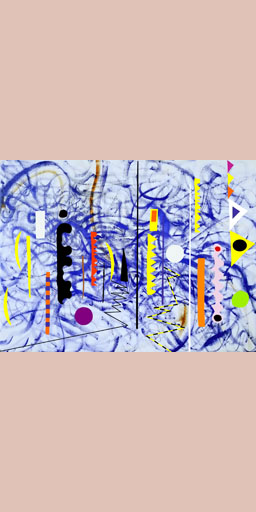
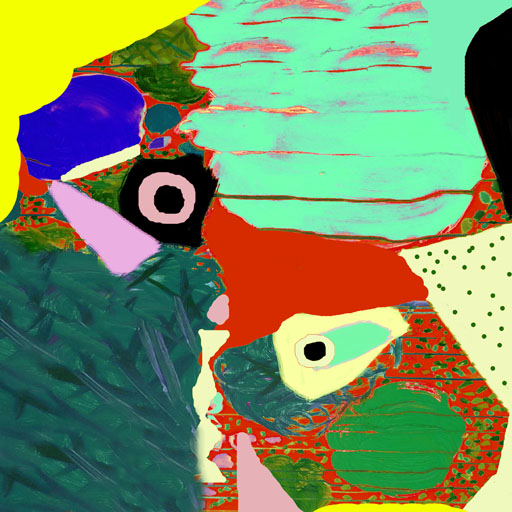
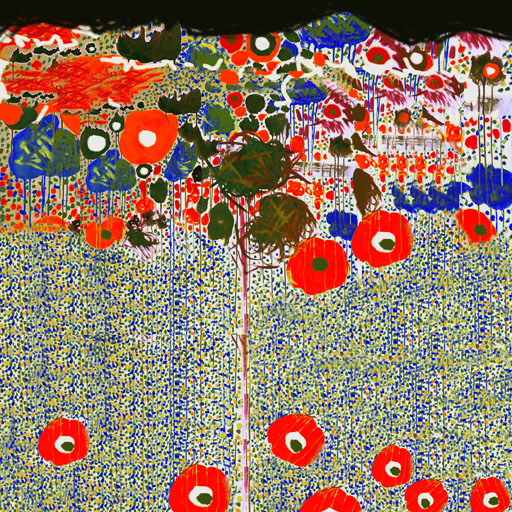
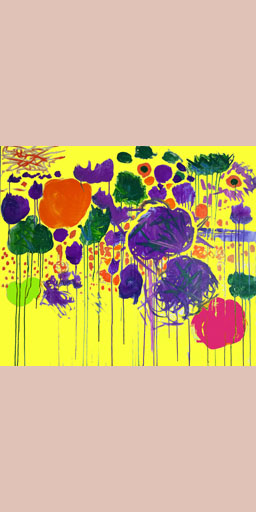
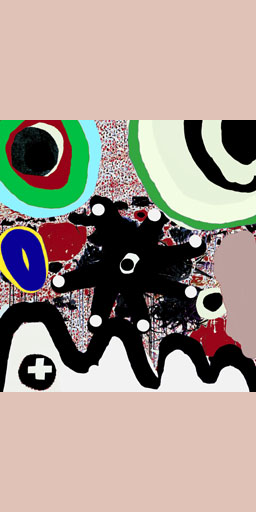
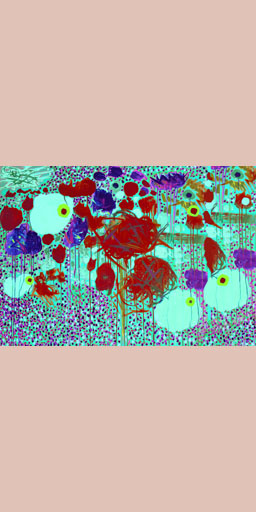
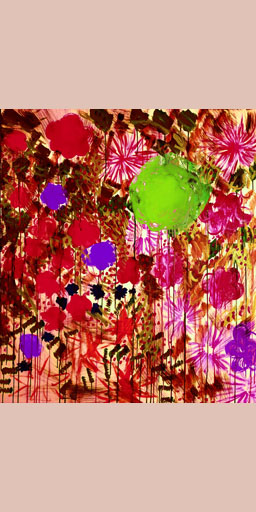
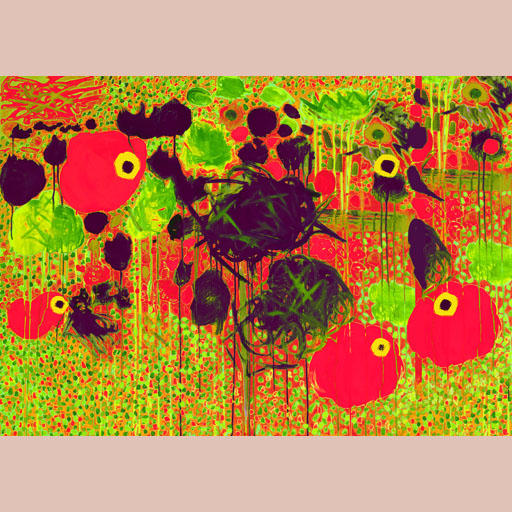
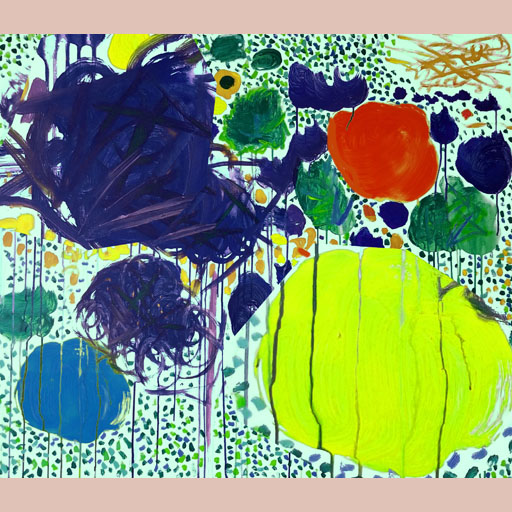
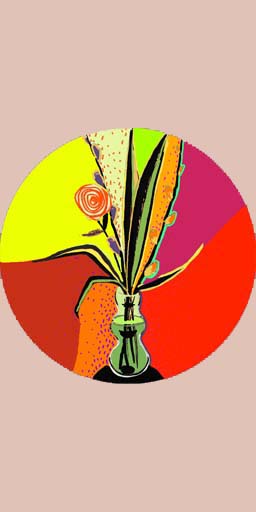
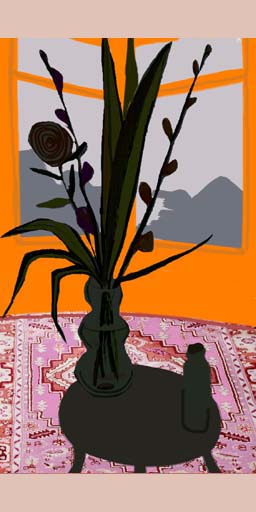
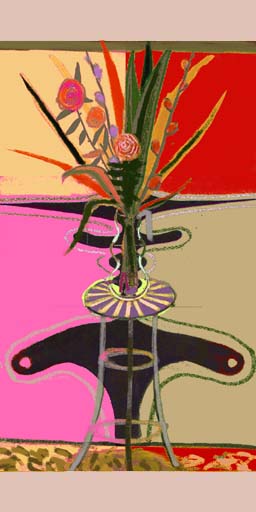
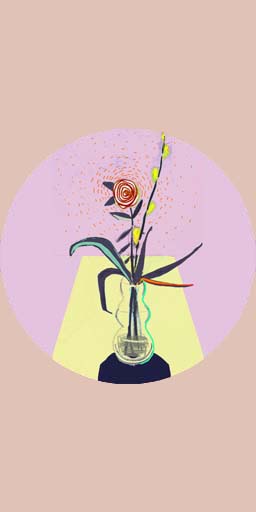
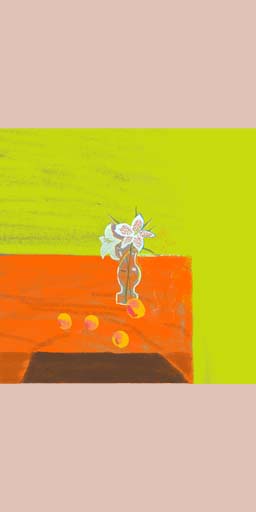
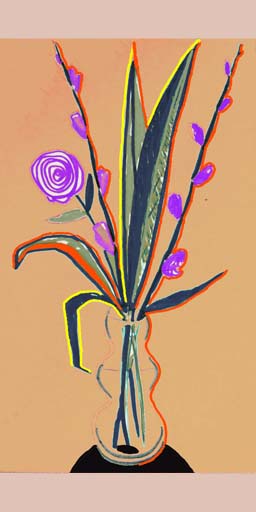
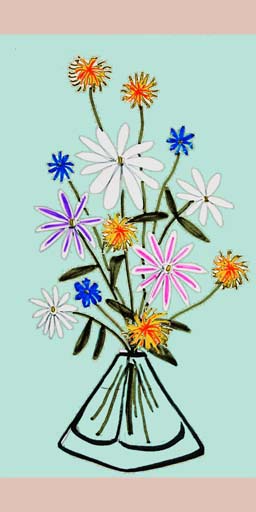
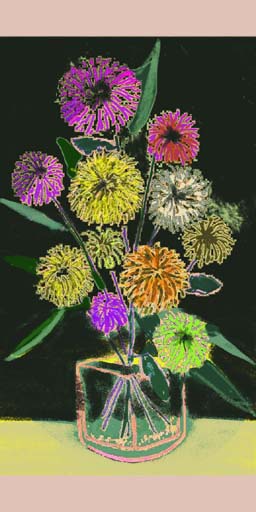
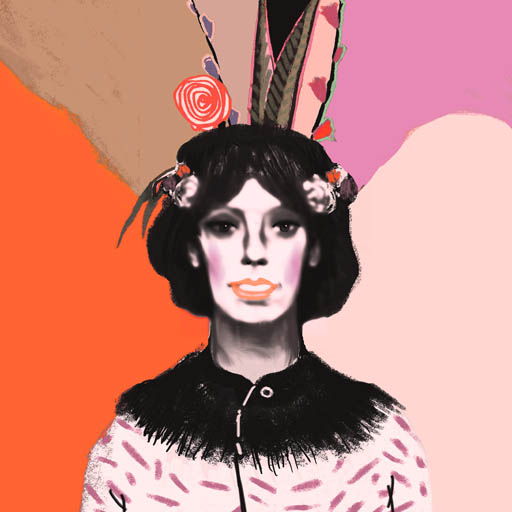
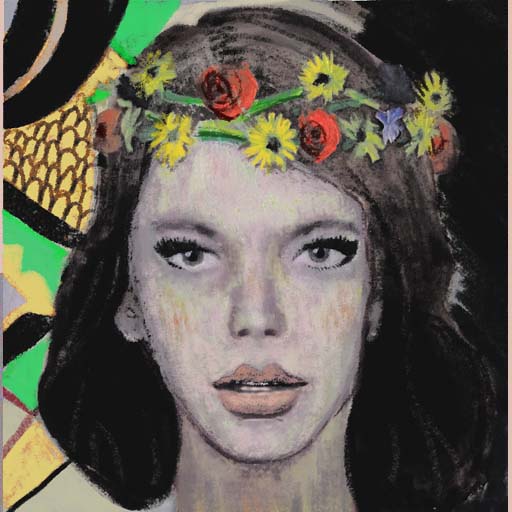
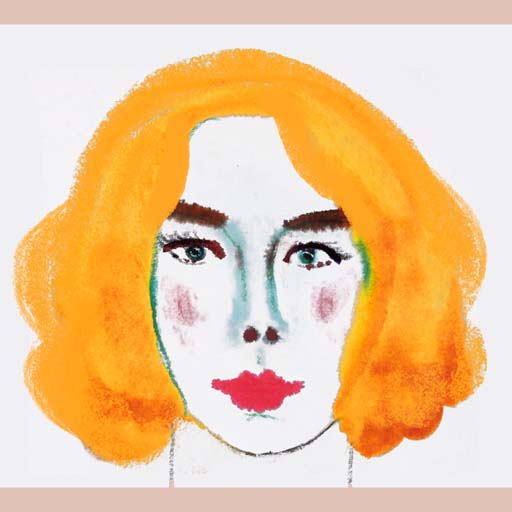
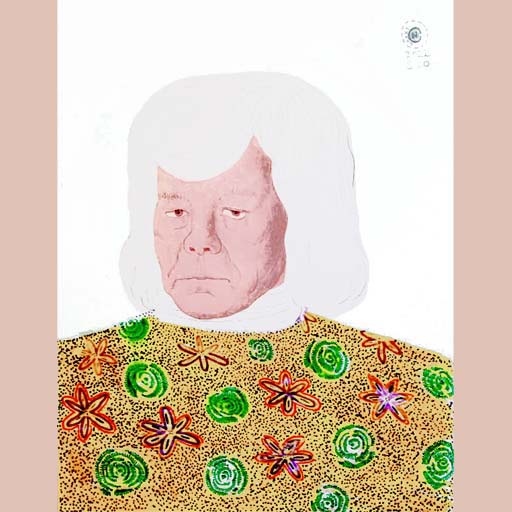
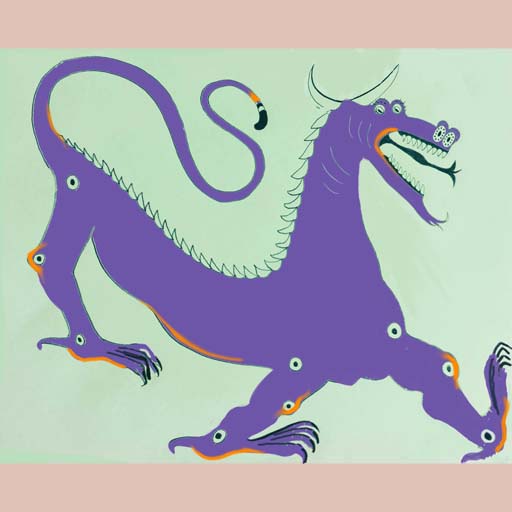
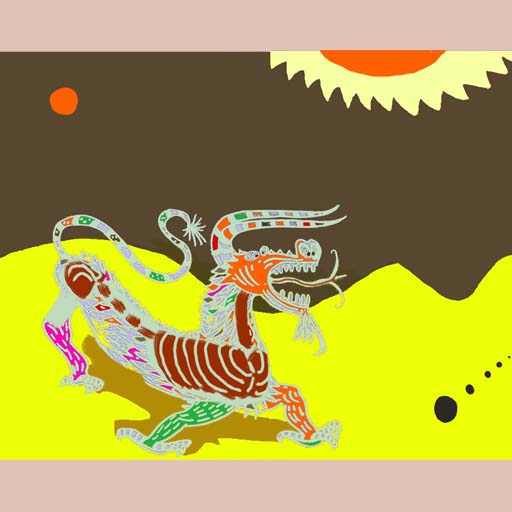
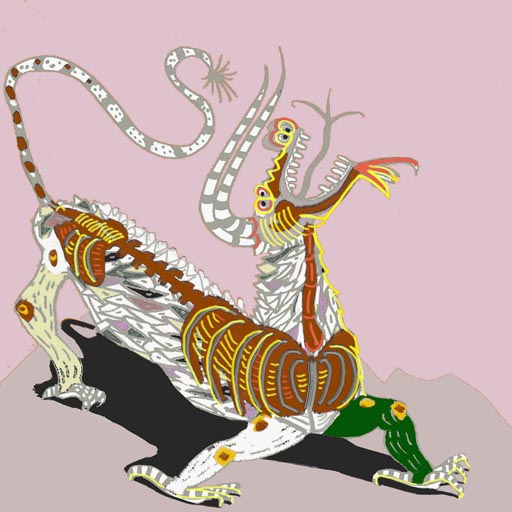
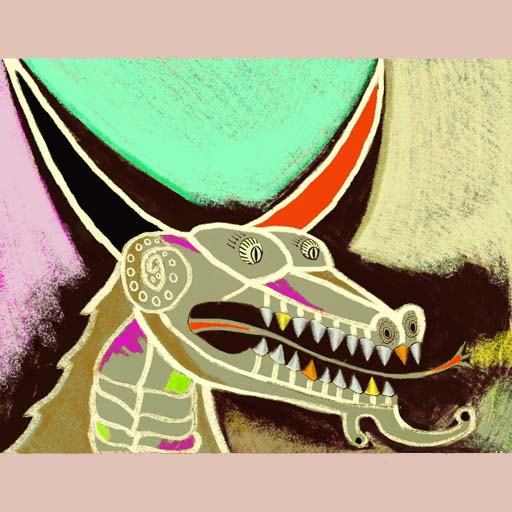
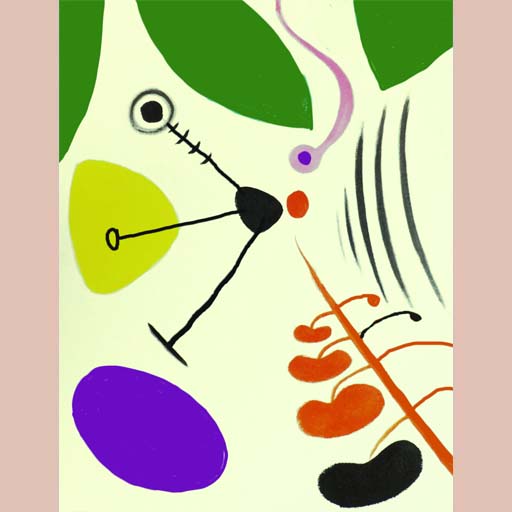
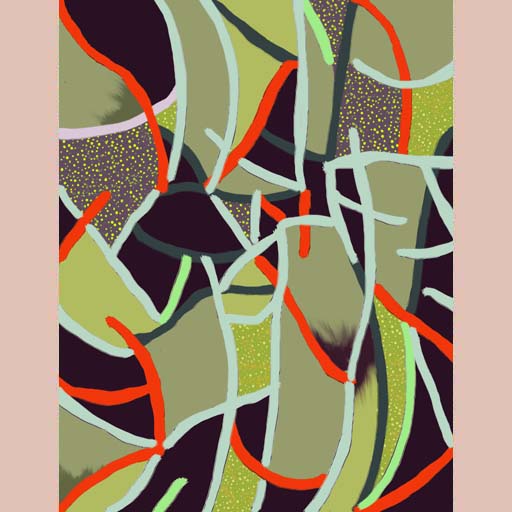
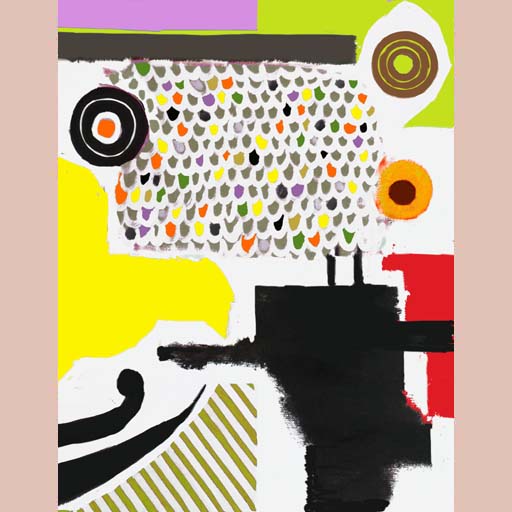
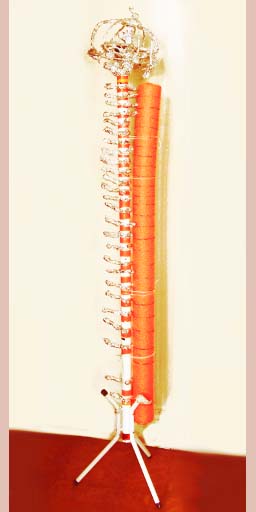
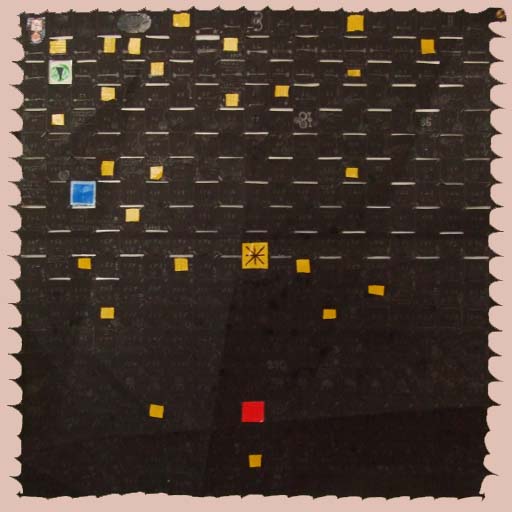
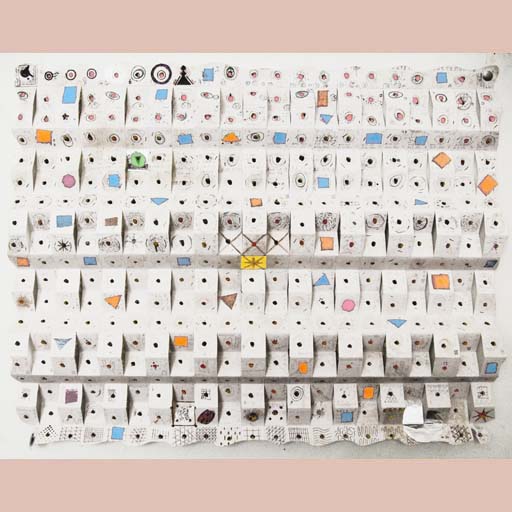
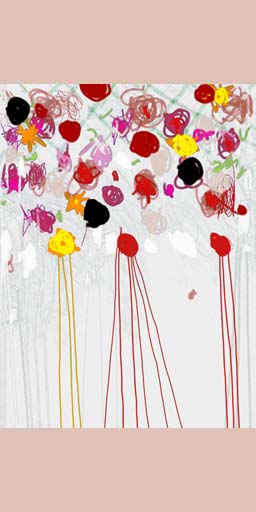
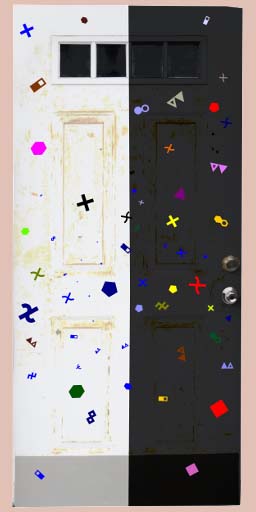
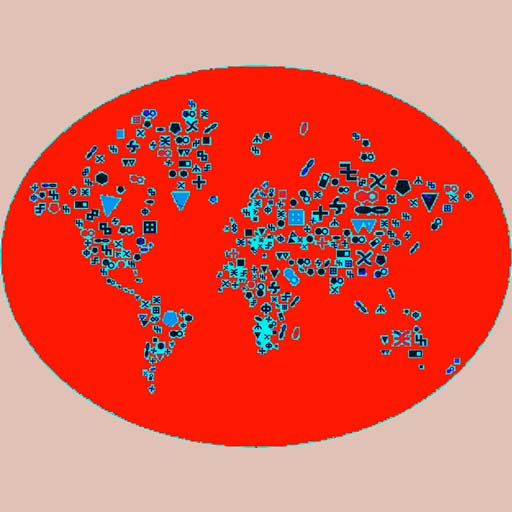
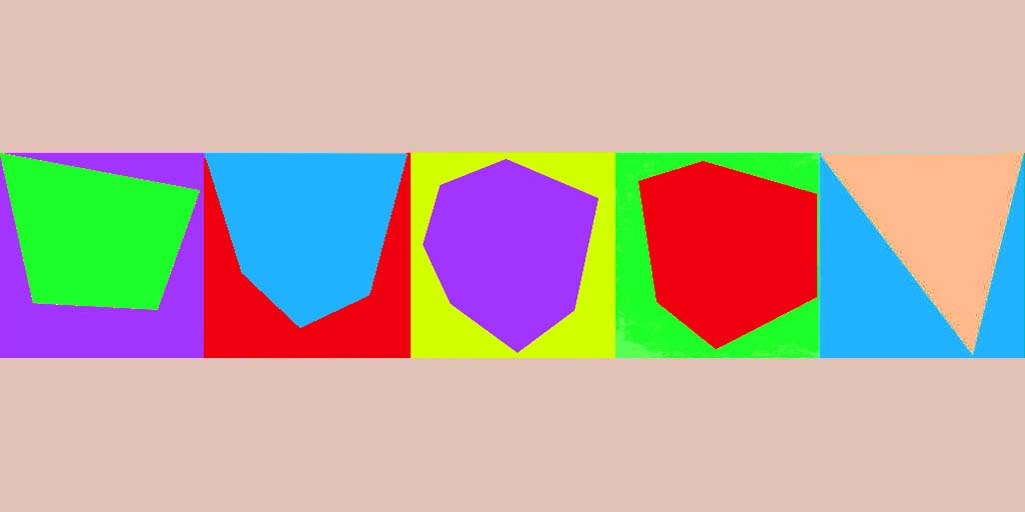
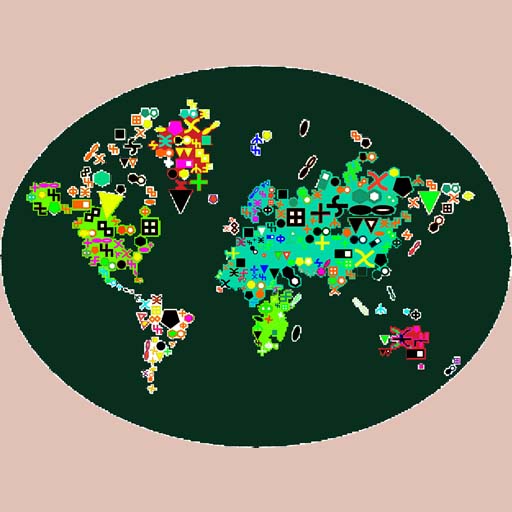
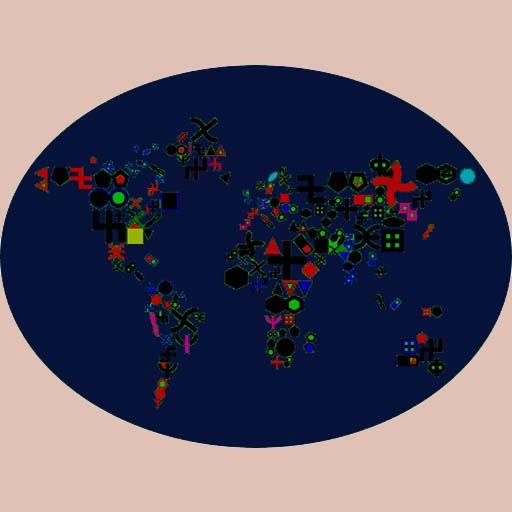
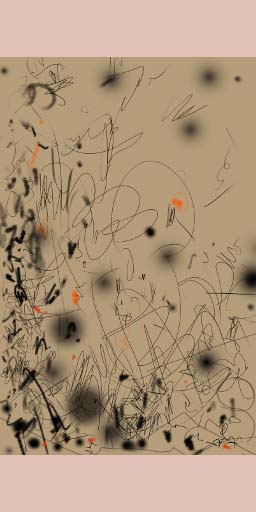
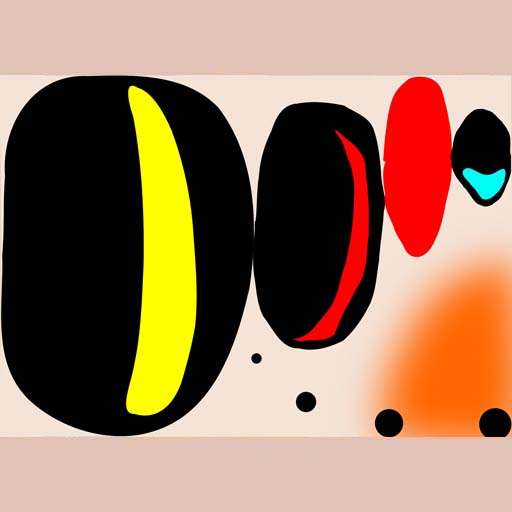
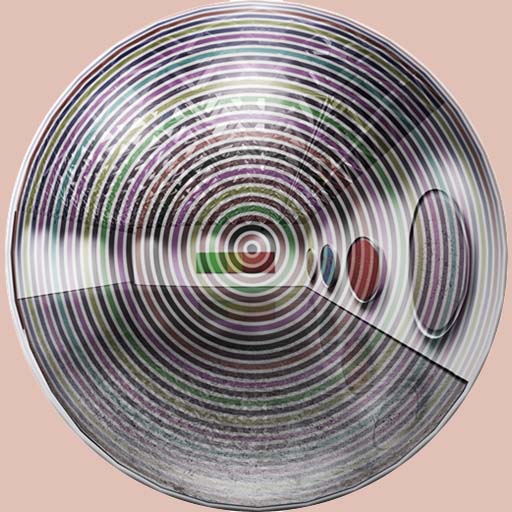
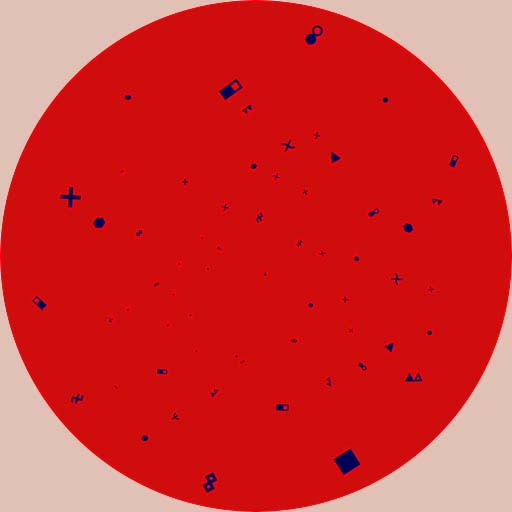
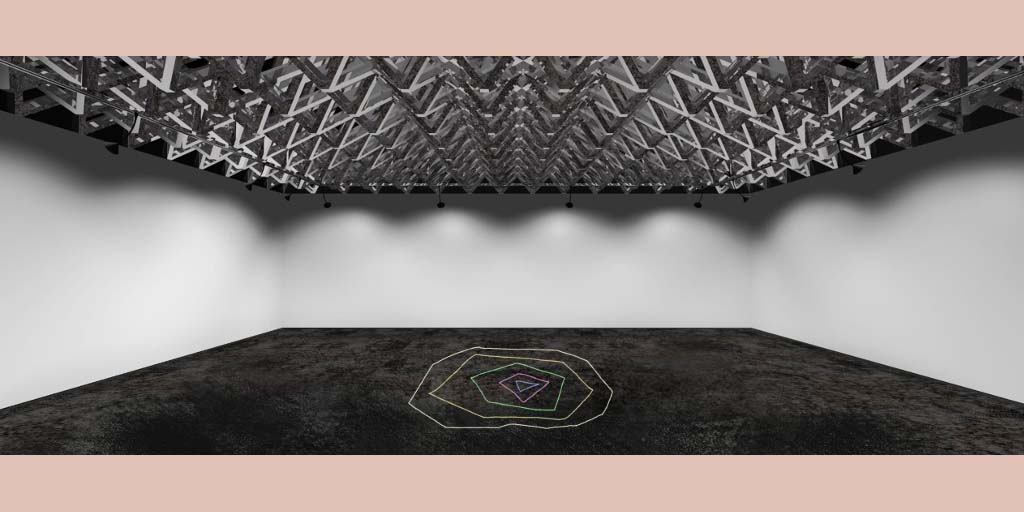
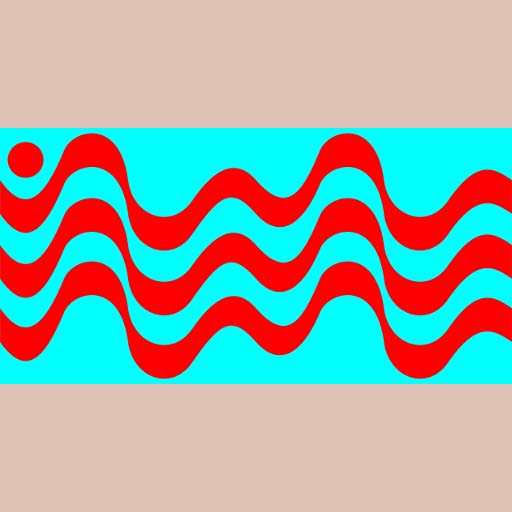
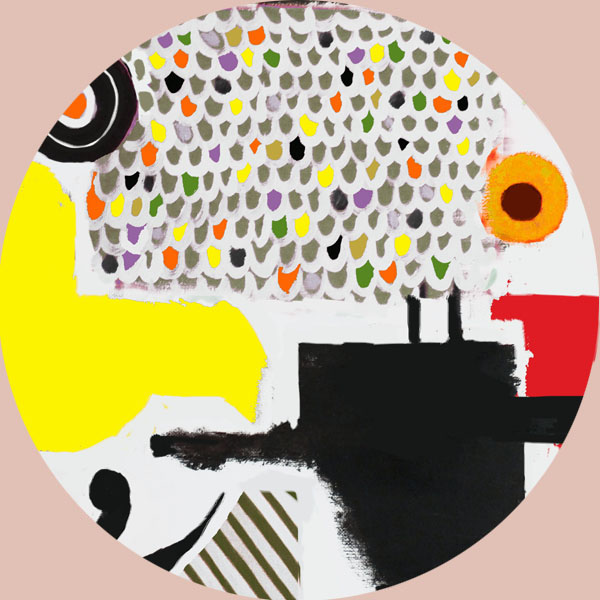
This art selection articulates a central thesis: that postmodern art serves as a critical lens for interrogating how beauty and other exceptional qualities intersect with, challenge, or reinforce societal taboos and collective values. To make this interrogation explicit, the exhibition is analyzed here through the lens of cultural studies theory, which asserts that art operates as a site for negotiating meaning between societal norms and individual or collective resistance. Serving as a dynamic, eclectic exploration of diverse forms, colors, emotions, and anxieties reflective of contemporary society, the exhibition features polychromatic paintings, many of which depict flowers, beautiful women, ancient dragons, biomorphic abstractions, grid-based works, and other types of abstract compositions. Some works are titled after musical compositions or melodies. Through these works, the artist critically examines how rare and striking beauty, as well as other unique properties, intersect and create social taboos and idols, highlighting how items with exceptional properties challenge or reinforce societal norms. By drawing connections between the enduring concepts of beauty, wealth, and prosperity and their powerful influence on the collective consciousness, the collection prompts viewers to consider how these ideas continue to shape societies across historical and cultural contexts. Thematically, and in line with cultural studies perspectives, the exhibition interrogates how symbols of order and harmony can both stabilize and constrain societies, reinforcing Stuart Hall’s argument that cultural symbols can facilitate both hegemony and contestation. Governments, as historical entities, are unified by significant national ideas and languages, with beauty and justice serving as cultural forces that command and unify vast populations. The exhibition invites viewers not only to experience the lawfulness of beauty and universal harmony but also to reflect on the mechanisms by which art both represents and questions these unifying forces. The artist's intent is to provoke critical engagement with beauty as a normative ideal, challenging viewers to consider how aesthetic values intersect with power structures and communal identity formation. Many of the artists’ styles emulate the visual languages of various nations. Notable works include "Fisherman's Dream," "The National Interests," and "Birth of Chaos." "Fisherman's Dream" is an abstract painting featuring colorful nets, geometric forms, stripes, and circles, with warm colors, violet accents, and a strong emphasis on yellow. "The National Interests" presents a red-hued map with brand-like symbols replacing cities, illustrating contemporary expansionism through brand culture. In "Birth of Chaos," artificial lightning bolts descend from the gallery ceiling to the floor, creating an immersive and magical experience. Influences include Walter de Maria, Ellsworth Kelly, and Joan Miró. The artist's unique contribution lies in applying the rule of halves in composition and in a disciplined approach to color theory.